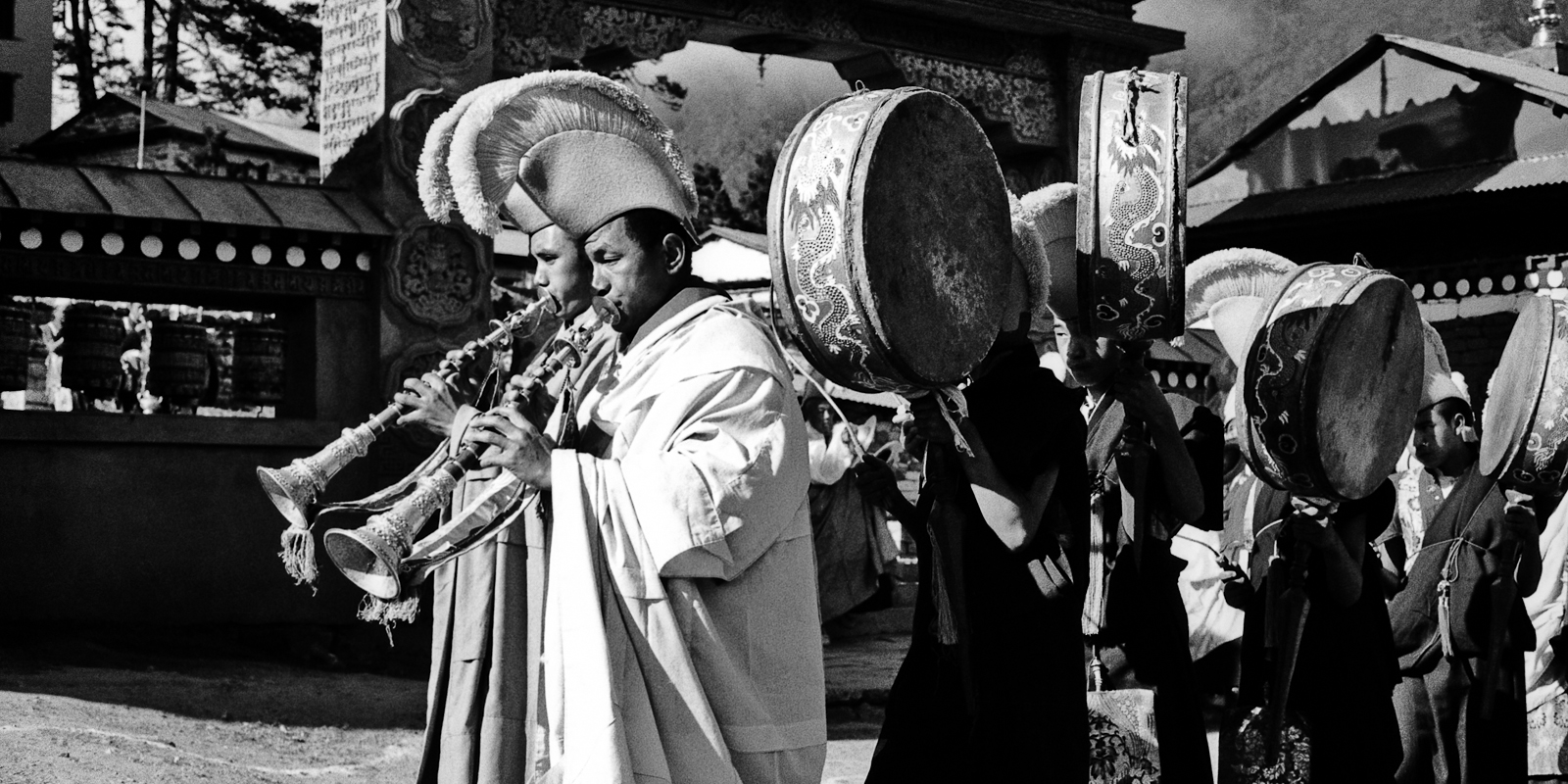
Photo 41 - Mani Rimdu Festival at the Tengboche monastery
Mani Rimdu Festival at the Tengboche monastery
Everest region (3860m) - 2005
Nepal is a Himalayan country, nestled culturally and geographically between two vast neighbors: to the north, China (with Tibet annexed in 1951), and on the other three sides — west, east, and south — by India.
For centuries, the people of Tibet and the high Nepalese mountains have traded goods such as salt and grains. This centuries-old exchange created a vibrant tapestry of cultures and ethnicities, where Buddhism coexists with Hinduism, practiced especially by the royal families of the Kathmandu plains under Indian influence.
In Tengboche, high in the Everest region, an important Buddhist pilgrimage takes place. Every November, the “Mani Rimdu Festival” draws thousands of pilgrims and visitors, who gather to witness the sacred traditions come alive.
From the monastery courtyard, monks move through the village in their traditional robes, the deep beat of drums resonating through the air, Tibetan trumpets calling, and cymbals clashing in rhythm. The entire village seems to vibrate with the colors, sounds, and energy of the ritual, inviting all who watch into this timeless celebration.
Audio description
Tactile relief
- Monks in motion in relief.
- Textures of robes and flags.
- Traditional instruments: drums, trumpets, and cymbals in simplified relief.
- Relief of buildings and monastery grounds.
- Soft relief lines for the mountains in the background.
Additional sensory perception
- Touch: textures of monks’ robes, wood of instruments, and stone of the monastery.
- Hearing: drumbeats, high-pitched trumpets, clashing cymbals, murmurs, and chants from the crowd.
- Smell: incense, burning herbs, and fresh mountain air.
- Taste: neutral, slight sensation of fresh air mixed with incense.
- Sight: explosion of colors, rhythmic movements, dynamic composition of monks and pilgrims.
- Perception / spiritual sense: full immersion in the ritual, sense of timelessness, connection between culture, faith, and the Himalayan landscape.